 By
By The CarShield lawsuit has attracted significant attention from consumers, vehicle owners, and regulators across the United States. Many people want to know whether the legal actions against CarShield affect their vehicle service contracts, claims, or future coverage options.
The short answer is that the CarShield lawsuit primarily centers on allegations regarding advertising practices, customer expectations, and service contract representations. While the litigation does not automatically invalidate existing contracts, it has raised important questions about how vehicle service plans are marketed and understood by consumers.
This article explains the allegations, regulatory actions, consumer concerns, and what current and prospective contract holders should know.
What Is CarShield?
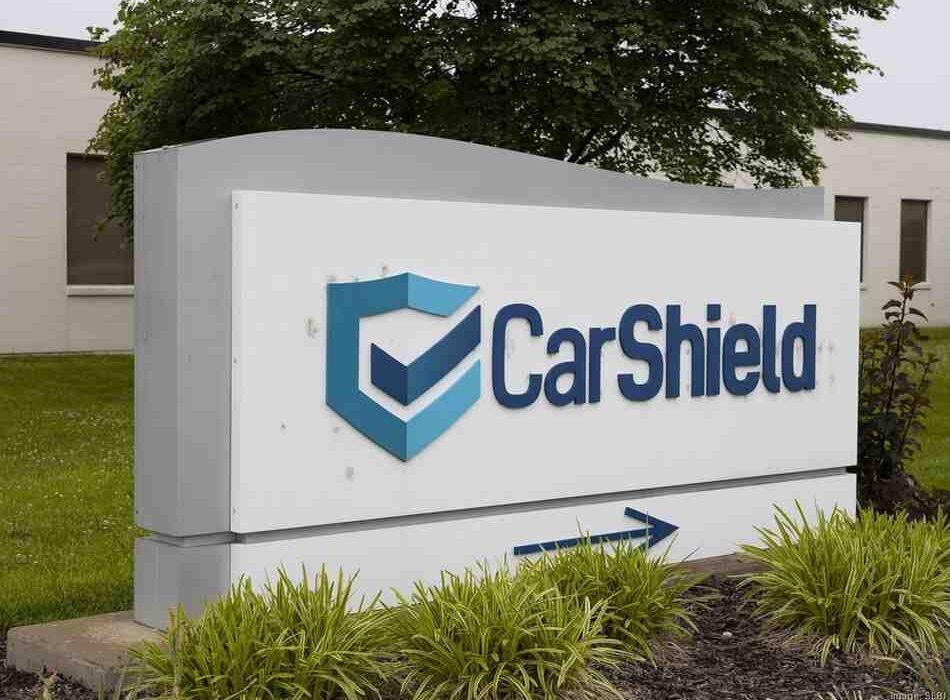
CarShield is a company that markets vehicle service contracts, often referred to as extended vehicle protection plans. These contracts are designed to help cover certain repair costs after a manufacturer’s warranty expires.
CarShield has become a well-known name in the vehicle protection industry through extensive television, radio, and online advertising.
The company promotes plans intended to help consumers manage potentially expensive repair bills by providing coverage for specific vehicle components and systems.
Because millions of consumers have been exposed to CarShield advertisements, legal actions involving the company have generated substantial public interest.
What Is the CarShield Lawsuit About?
The CarShield lawsuit generally refers to legal actions and regulatory allegations concerning the company’s advertising and marketing practices.
According to publicly reported allegations, regulators questioned whether some advertising statements accurately represented:
- Coverage availability
- Repair approval processes
- Contract limitations
- Consumer costs
- Claims handling procedures
- Relationships with repair facilities
The allegations primarily focused on whether consumers were given clear and accurate information regarding what their service contracts would actually cover.
It is important to remember that allegations do not automatically establish liability. Legal claims must be evaluated through investigations, settlements, or court proceedings.
FTC Allegations Against CarShield
One of the most widely discussed developments involving the carshield lawsuit involved action by the Federal Trade Commission (FTC).
The FTC alleged that certain advertising materials may have misled consumers regarding vehicle repair coverage and payment responsibilities.
Regulators specifically examined whether advertising messages created unrealistic expectations regarding:
- Comprehensive repair coverage
- Claim approval rates
- Repair reimbursement
- Coverage exclusions
The FTC’s involvement significantly increased public awareness of the dispute and brought greater scrutiny to the vehicle service contract industry.
Informative Resource
Consumers can review consumer protection information directly through the FTC:
Federal Trade Commission Consumer Resources
Understanding Vehicle Service Contracts
To understand the significance of the carshield lawsuit, consumers should understand how vehicle service contracts work.
Unlike manufacturer warranties, service contracts are separate agreements that typically cover certain repairs under specified conditions.
Coverage often depends on:
- Vehicle age
- Mileage
- Maintenance history
- Covered components
- Contract exclusions
- Deductible requirements
Many disputes arise because consumers may misunderstand what is covered versus what is excluded.
Carefully reviewing contract terms is essential before purchasing any vehicle protection plan.
Common Consumer Complaints
Consumer complaints associated with the CarShield lawsuit have often focused on expectations regarding repair coverage.
Some consumers reported concerns involving:
- Denied claims
- Coverage exclusions
- Unexpected out-of-pocket expenses
- Contract interpretation disputes
- Repair authorization requirements
- Delays during claim processing
However, customer experiences vary significantly among customers.
Some consumers report positive experiences, while others express dissatisfaction regarding claim outcomes.
Why Advertising Matters
Advertising plays a major role in consumer purchasing decisions.
When evaluating the CarShield lawsuit, regulators focused heavily on whether advertisements accurately described the products being sold.
Consumer protection laws generally prohibit advertising that may:
- Mislead consumers
- Omit important information
- Create false expectations
- Misrepresent product benefits
Companies are expected to provide clear and truthful information so consumers can make informed decisions.
Informative Resource
Consumers can learn more about advertising standards and consumer rights through:
Consumer Financial Protection Bureau (CFPB)
How the FTC Settlement Affects Consumers
One of the key questions surrounding the CarShield lawsuit is whether consumers receive direct benefits from regulatory actions.
Settlement terms in regulatory matters may include:
- Financial payments
- Advertising changes
- Consumer disclosures
- Compliance monitoring
- Future business practice modifications
Specific eligibility for consumer compensation depends on settlement details and legal requirements.
Consumers should always review official announcements rather than relying on social media summaries.
Consumer Rights When Purchasing Vehicle Protection Plans
Consumers have several important rights when purchasing service contracts.
These include:
- Access to contract terms
- Disclosure of exclusions
- Information about cancellation policies
- Explanation of claim procedures
- Accurate advertising representations
The carshield lawsuit highlights the importance of understanding these rights before entering into any vehicle protection agreement.
How to Evaluate a Vehicle Service Contract
Before purchasing coverage, consumers should review several key factors.
Coverage Details
Determine exactly which repairs are covered.
Exclusions
Understand what is not covered under the agreement.
Deductibles
Review any required out-of-pocket costs.
Claims Process
Learn how claims are approved and processed.
Provider Reputation
Research customer reviews and regulatory records.
These steps can help consumers avoid misunderstandings and make more informed decisions.
Informative Resource: Questions to Ask Before Buying Coverage
Before purchasing a service contract, consider asking:
- What repairs are covered?
- What exclusions apply?
- Is prior authorization required?
- Can I use my preferred repair shop?
- What deductibles must be paid?
- How are claims processed?
Asking these questions can help prevent future disputes.
The Role of Consumer Protection Laws
The carshield lawsuit illustrates how consumer protection laws operate in practice.
These laws are designed to ensure:
- Honest advertising
- Fair business practices
- Accurate disclosures
- Consumer transparency
Government agencies investigate allegations when they believe consumers may have received misleading information.
Such oversight helps promote accountability within the marketplace.
Broader Impact on the Vehicle Service Contract Industry
The legal scrutiny surrounding the CarShield lawsuit has implications beyond a single company.
Industry-wide effects may include:
- Increased advertising oversight
- Enhanced consumer disclosures
- Greater regulatory attention
- Improved transparency requirements
- Stronger compliance programs
Other companies operating in the vehicle protection market may also review their practices to reduce regulatory risks.
What Current CarShield Customers Should Know
Current customers should not assume that ongoing legal developments automatically affect their contracts.
Instead, consumers should:
- Review their contract documents.
- Understand coverage limitations.
- Keep maintenance records.
- Follow claim procedures.
- Monitor official updates.
Consumers with questions regarding their specific coverage should contact the contract administrator directly.
Informative Resource
Additional consumer complaint resources are available through:
USA.gov Consumer Complaint Center
Consumers can also review vehicle safety information through the following:
National Highway Traffic Safety Administration (NHTSA)
Lessons Consumers Can Learn
The carshield lawsuit provides valuable lessons for anyone considering extended vehicle protection.
Key lessons include:
- Always read contracts carefully.
- Verify advertising claims independently.
- Understand exclusions before purchasing.
- Keep detailed records.
- Research providers thoroughly.
- Ask questions before signing agreements.
These practices help consumers make informed decisions regardless of the provider.
Conclusion
The carshield lawsuit has drawn attention to important issues involving advertising practices, consumer expectations, and vehicle service contracts. While the legal actions focus primarily on allegations regarding marketing and disclosures, they also highlight the importance of understanding coverage terms before purchasing protection plans.
Consumers should carefully review service contracts, verify claims independently, and stay informed through official sources. Whether purchasing a new contract or maintaining an existing one, informed decision-making remains the best way to protect both vehicles and finances.
Frequently Asked Questions
What is the CarShield lawsuit about?
The lawsuit primarily involves allegations regarding advertising practices, consumer disclosures, and representations about vehicle service contract coverage.
Did CarShield admit wrongdoing?
Settlement agreements and regulatory actions may vary. Consumers should review official legal documents and announcements for specific details.
Does the lawsuit cancel existing contracts?
No. Legal proceedings generally do not automatically void existing service contracts.
Can consumers receive compensation?
Eligibility depends on settlement terms, regulatory actions, and specific legal developments.
Should I still buy a vehicle service contract?
Consumers should carefully compare providers, review contract terms, understand exclusions, and evaluate their vehicle’s repair risks before making a decision.
Key Takeaways
- The carshield lawsuit focuses on allegations involving advertising and consumer disclosures.
- FTC allegations played a major role in bringing public attention to the dispute.
- Vehicle service contracts differ from manufacturer warranties.
- Consumers should review coverage details and exclusions carefully.
- Advertising claims should be independently verified before purchasing coverage.
- Regulatory actions can lead to changes in business practices and disclosures.
- Current contracts are not automatically invalidated by litigation.
- Understanding the claims process is essential before buying coverage.
- Consumer protection laws aim to ensure transparency and fairness.
- Informed consumers are better positioned to evaluate vehicle protection plans.
