
 By
By Quick Answer: The California window tint law regulates how dark or reflective window tint may be on different vehicle windows. Under California law, the front windshield may only have tint in a limited area at the top, while the front side windows generally must allow at least 70% of light to pass through. Rear side windows and the rear windshield have fewer restrictions for many passenger vehicles, but drivers must still comply with state safety requirements. Violating these rules can result in citations, fines, and an order to remove illegal tint. Understanding the California window tint law is important for every vehicle owner because non-compliant window film can lead to traffic stops, failed vehicle inspections in certain situations, and unnecessary legal expenses. Whether you’re installing aftermarket tint or purchasing a used vehicle, knowing the legal requirements helps you avoid costly mistakes.
What Is Window Tint?
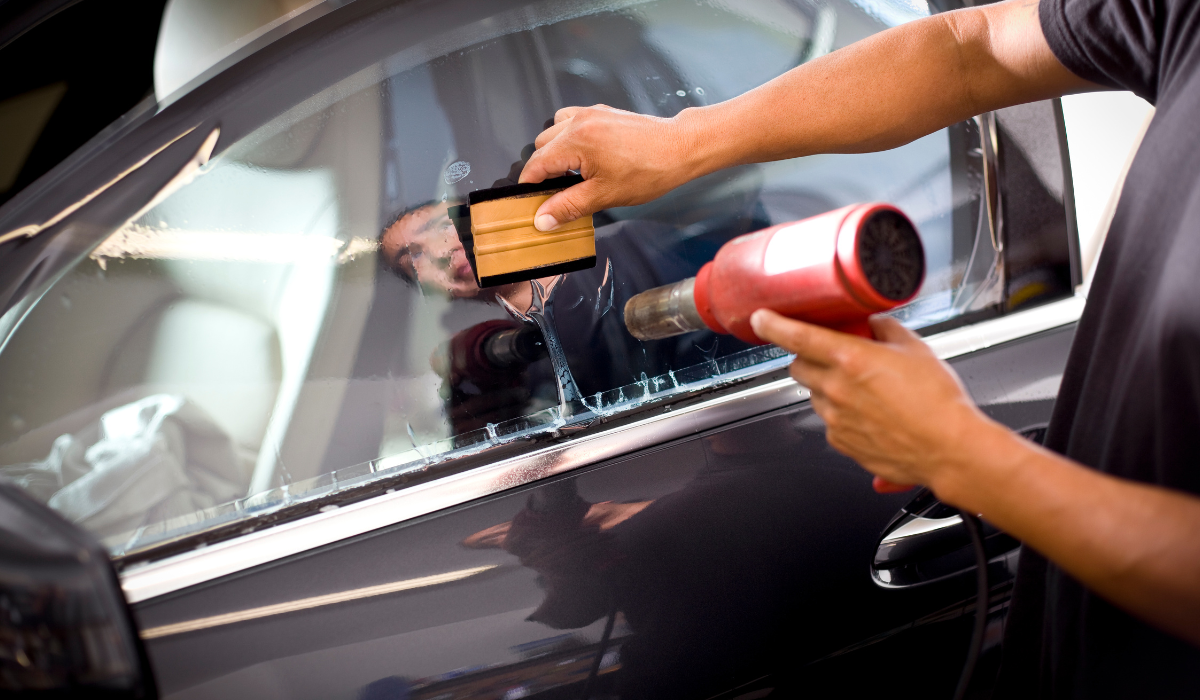
Window tint is a thin film applied to a vehicle’s windows to reduce sunlight, glare, ultraviolet (UV) radiation, and interior heat. Modern tint films are available in different shades and technologies, including dyed, metallic, ceramic, and carbon films.
Many drivers choose window tint for practical reasons, including:
- Improved privacy
- Heat reduction
- UV protection
- Reduced interior fading
- Enhanced driving comfort
- Improved appearance
However, every state regulates window tint differently, making it essential to understand the California window tint law before installing aftermarket film.
Why Does California Regulate Window Tint?
California has some of the nation’s most detailed tint regulations because window darkness directly affects roadway safety.
Lawmakers balance several important considerations:
- Driver visibility during daytime and nighttime
- Officer safety during traffic stops
- Pedestrian visibility
- Accident prevention
- Vehicle safety standards
- Driver comfort in hot climates
The goal is to allow reasonable sun protection while ensuring drivers maintain adequate visibility under varying road conditions.
Understanding Visible Light Transmission (VLT)
The California window tint law is based primarily on Visible Light Transmission (VLT).
VLT measures the percentage of visible light that passes through both the glass and any applied window film.
For example:
| VLT Percentage | Appearance |
|---|---|
| 90% | Nearly clear |
| 70% | Light tint |
| 50% | Moderate tint |
| 35% | Dark tint |
| 20% | Very dark |
| 5% | Extremely dark (“limo tint”) |
A higher VLT percentage means more light passes through the window, while a lower percentage means the tint is darker.
California Window Tint Requirements
One of the most common questions drivers ask is
What’s the legal tint in California?
The answer depends on which window is being tinted.
California Tint Limits
| Vehicle Window | Legal Requirements |
| Windshield | Tint allowed only on the upper portion as permitted by law |
| Front Side Windows | Must allow at least 70% VLT |
| Rear Side Windows | Greater flexibility under state law |
| Rear Window | Generally permitted if applicable equipment requirements are met |
Drivers should remember that factory-installed glass already reduces some light. When aftermarket tint is added, the combined VLT must remain compliant with applicable legal standards.
Windshield Tint Rules
The windshield is subject to the strictest requirements under the California window tint law.
Generally:
- Tint may only be applied to a limited strip near the top of the windshield.
- The remainder of the windshield must remain unobstructed.
- Drivers should avoid installing dark tint across the entire windshield unless specifically authorized under a qualifying medical exemption.
These rules help preserve clear forward visibility during:
- Night driving
- Rain
- Fog
- Low-light conditions
- Emergency situations
Front Side Window Requirements
The front side windows receive the greatest enforcement attention.
Under the California window tint law, the front side windows generally must permit at least 70% of visible light to pass through.
This means:
- Extremely dark aftermarket tint is generally prohibited.
- Officers may stop vehicles if the front windows appear excessively dark.
- Compliance may be verified using approved tint meters during enforcement.
Because many factory windows already reduce some light transmission, vehicle owners should verify the combined VLT before installing additional tint.
Comparison of Window Tint Rules
| Window | Dark Tint Allowed? | Primary Rule |
| Windshield | Limited | Top strip only |
| Front Side | No | Minimum 70% VLT |
| Rear Side | Generally Yes | Less restrictive |
| Rear Window | Generally Yes | Subject to applicable safety requirements |
Why Do Drivers Choose Legal Window Tint?
Although some drivers prefer very dark tints for privacy, legal tints offer several practical benefits without increasing the risk of citations.
Advantages include:
- Blocking harmful UV rays
- Reducing interior temperatures
- Minimizing dashboard fading
- Improving passenger comfort
- Reducing glare from sunlight
- Helping preserve vehicle interiors
Many modern ceramic films offer excellent heat rejection while complying with California window tint law, making them a popular option for California drivers.
Window Tint Statistics
Window tint has become increasingly popular across the United States due to its comfort and protective benefits.
| Statistic | Industry Information |
| UV rays blocked by quality films | Up to 99% (depending on film type) |
| Interior heat reduction | Up to 60% in some products |
| Common aftermarket film types | Dyed, Carbon, Ceramic, Metallic |
| States regulating window tint | All 50 states have tint laws |
Actual performance varies by manufacturer, film technology, and installation quality.
California Vehicle Code Governing Window Tint
The California window tint law is primarily governed by California Vehicle Code Section 26708, which regulates materials placed on vehicle windows that may obstruct or reduce a driver’s clear view.
The statute generally prohibits drivers from operating vehicles with objects or materials attached to the windshield or windows if they interfere with visibility, unless a specific legal exception applies.
California law also works alongside applicable federal motor vehicle safety standards to ensure vehicle glass and window tint meet minimum visibility requirements.
Medical Exemptions Under California Law
One of the most frequently asked questions is whether drivers with medical conditions can legally install darker window tint.
The answer is yes, in certain circumstances.
California allows medical exemptions for individuals who have qualifying health conditions requiring additional protection from sunlight or ultraviolet (UV) exposure.
Examples of conditions that may qualify include:
- Lupus
- Photosensitivity disorders
- Certain skin diseases
- Other physician-documented medical conditions
Drivers relying on a medical exemption should follow California’s applicable documentation requirements and keep supporting records available if requested during a traffic stop.
Medical Exemption Overview
| Requirement | Information |
|---|---|
| Physician Documentation | Generally Required |
| Medical Necessity | Must Be Supported |
| Applies Automatically | No |
| Law Enforcement May Request Documentation | Yes |
Medical exemptions are evaluated individually and do not automatically authorize unlimited window tint.
Reflective Tint Restrictions
In addition to darkness limits, the California window tint law also regulates reflective or mirrored window films.
Highly reflective tint can create safety concerns because it may:
- Produce glare for other drivers.
- Reduce visibility.
- Distract motorists.
- Increase accident risks.
For these reasons, California limits the use of excessively reflective tint films on vehicles.
Drivers considering specialty reflective films should confirm that the product complies with applicable California regulations before installation.
Side Mirror Requirements
Rear window tint rules often depend on vehicle equipment.
If a vehicle has tint on the rear window, California law generally requires properly functioning exterior mirrors that provide adequate rear visibility.
Drivers should regularly inspect mirrors for:
- Damage
- Proper adjustment
- Clear visibility
- Secure attachment
Maintaining compliant mirrors helps improve roadway safety while remaining consistent with the California window tint law.
Mirror Requirements
| Vehicle Equipment | Requirement |
| Left Exterior Mirror | Required |
| Right Exterior Mirror | Required when necessary for visibility |
| Clear Rear Visibility | Must Be Maintained |
Penalties for Illegal Window Tint
Violating the California window tint law can result in traffic citations.
Although penalties vary depending on the circumstances, drivers may face:
- Correctable (“fix-it”) tickets
- Monetary fines
- Court costs
- Orders to remove non-compliant tint
- Additional penalties for repeated violations
Correcting the illegal tint promptly may reduce additional legal consequences in some situations
Possible Consequences
| Violation | Possible Outcome |
| Illegal Front Window Tint | Citation |
| Failure to Correct | Additional Fine |
| Repeat Violations | Increased Costs |
| Court Appearance | May Be Required |
Actual penalties depend on the facts of each case and local court procedures.
How Police Measure Window Tint
Law enforcement officers may use a window tint meter to determine whether a vehicle complies with the California window tint law.
A tint meter measures the amount of visible light passing through both the factory-installed glass and any aftermarket tint film.
If the measured VLT falls below the legal limit for a particular window, the driver may receive a citation.
Because factory glass already blocks some light, even lightly tinted aftermarket film can cause a vehicle to fall below California’s legal threshold.
Common Reasons Drivers Receive Tint Citations
Many citations occur because vehicle owners misunderstand California’s legal requirements.
Some common violations include:
- Installing excessively dark front-side window tint.
- Applying tint across the full windshield.
- Using highly reflective mirror-like films.
- Purchasing vehicles with illegal aftermarket tint already installed.
- Assuming another state’s tint laws apply in California.
Drivers moving to California should ensure their vehicles comply with California law, even if the tint was legal where it was originally installed.
Most Common Tint Violations
| Violation | Why It Happens |
| Dark Front Windows | Installer or owner unaware of California limits |
| Full Windshield Tint | Illegal in most situations |
| Reflective Film | Exceeds allowable reflectivity |
| Out-of-State Tint | Does not meet California standards |
Factory Tint vs. Aftermarket Tint
Many drivers confuse factory privacy glass with aftermarket window tint.
Factory privacy glass is typically manufactured as part of the original vehicle glass and is most commonly found on:
- SUVs
- Pickup trucks
- Vans
Aftermarket tint, by contrast, is a film applied after the vehicle is manufactured.
When calculating compliance with the California window tint law, both the factory glass and aftermarket film affect the total visible light transmission.
Factory Glass vs. Aftermarket Film
| Feature | Factory Privacy Glass | Aftermarket Tint |
| Installed by Manufacturer | Yes | No |
| Removable | No | Yes |
| Added After Purchase | No | Yes |
| Affects Total VLT | Yes | Yes |
Tips for Staying Compliant
Drivers can reduce the risk of citations by following several best practices:
- Verify the VLT rating before installation.
- Use a reputable installer familiar with California regulations.
- Request documentation showing the tint specifications.
- Avoid applying additional film over already tinted glass without confirming legal compliance.
- Keep medical exemption documentation available if applicable.
- Periodically inspect tinted windows for bubbling or damage that could impair visibility.
Frequently Asked Questions
What is the legal tint in California for front side windows?
Under the California window tint law, front side windows generally must allow at least 70% of visible light (VLT) to pass through. This helps maintain driver visibility and roadway safety.
Can I tint my entire windshield?
No. California law generally permits tint only on a limited strip across the upper portion of the windshield. Dark tint covering the entire windshield is generally prohibited unless a qualifying medical exemption applies.
Are rear windows allowed to have darker tints?
Yes. Rear side windows and the rear windshield are generally subject to fewer restrictions than front side windows. However, vehicles must still comply with applicable equipment and visibility requirements, including properly functioning mirrors when required.
Can I receive a ticket for illegal tint?
Yes. Drivers may receive a correctable citation or other penalties if their vehicle does not comply with the California window tint law.
Are ceramic window tints legal?
Yes. Ceramic tint is legal provided it complies with California’s visible light transmission and reflectivity requirements. The material itself is not restricted; compliance depends on the installed tint’s specifications.
Does factory privacy glass count toward tint limits?
Yes. Factory-installed glass already blocks a portion of visible light. Any aftermarket film is measured together with the factory glass to determine compliance.
Can police measure my window tint?
Yes. Law enforcement officers may use approved tint meters to measure the visible light transmission of your windows if they suspect a violation.
Can I remove illegal tint myself?
Yes. Many drivers remove non-compliant tint themselves or have it professionally removed after receiving a correctable citation.
Are California tint laws different from other states?
Yes. Every state establishes its own window tint regulations. A tint that is legal in another state may not comply with the California window tint law.
How can I ensure my vehicle remains compliant?
Choose a reputable installer, verify the VLT rating before installation, keep documentation regarding the tint film, and periodically inspect your windows for damage or deterioration.
California Window Tint Myths vs. Facts
| Myths | Facts |
|---|---|
| Limo tint is legal everywhere in California. | False. Front side windows must generally meet the state’s minimum VLT requirement. |
| Ceramic tint is always illegal. | False. Ceramic films are legal when installed within California’s tint limits. |
| Factory privacy glass is exempt from all rules. | False. Factory glass still contributes to the total VLT measurement. |
| Window tint laws are identical nationwide. | False. Each state has its own regulations. |
| Medical exemptions allow unlimited tint. | False. Exemptions are subject to specific legal requirements and documentation. |
California Compared with Neighboring States
Drivers relocating to California should remember that window tint laws differ significantly across state lines.
| State | Front Side Window Rule |
| California | Minimum 70% VLT |
| Arizona | Different VLT standards apply |
| Nevada | Different VLT standards apply |
| Oregon | Different VLT standards apply |
*Drivers should always verify the current laws in the relevant jurisdiction before installing or modifying window tint.
Tips Before Installing Window Tint
Before investing in aftermarket tint, consider the following:
- Verify that the installer understands California law.
- Request written specifications showing the VLT percentage.
- Choose high-quality film that provides UV protection without exceeding legal limits.
- Avoid assuming factory-installed privacy glass makes additional tint automatically legal.
- Keep receipts and manufacturer information for future reference.
- If you qualify for a medical exemption, maintain the required documentation.
Taking these steps can help reduce the risk of citations and ensure long-term compliance.
Why Compliance Matters?
Following the California window tint law is about more than avoiding tickets. Properly installed legal tint can improve driving comfort while maintaining the visibility needed for safe vehicle operation.
Benefits of legal window tint include:
- Reduced interior temperatures
- Protection against harmful UV rays
- Less glare while driving
- Improved passenger comfort
- Reduced fading of vehicle interiors
- Compliance with California traffic laws
Drivers who understand the law can enjoy these benefits without exposing themselves to unnecessary legal or financial consequences.
References & Further Reading
The information presented in this article is based on guidance from respected governmental and legal resources, including:
- California Legislative Information – California Vehicle Code §26708
https://leginfo.legislature.ca.gov - California Department of Motor Vehicles (DMV)
https://www.dmv.ca.gov - California Highway Patrol (CHP)
https://www.chp.ca.gov - National Highway Traffic Safety Administration (NHTSA)
https://www.nhtsa.gov - Federal Motor Vehicle Safety Standards (FMVSS)
https://www.nhtsa.gov/laws-regulations/fmvss - American Association of Motor Vehicle Administrators (AAMVA)
https://www.aamva.org
These organizations provide authoritative information regarding vehicle equipment standards, traffic safety, and applicable California regulations.
Key Takeaways
- The California window tint law regulates how dark and reflective vehicle window tint may be.
- Front side windows generally must allow at least 70% visible light transmission (VLT).
- Windshield tint is typically limited to a narrow strip at the top of the windshield.
- Rear side windows and rear windshields have fewer restrictions, subject to applicable equipment requirements.
- Medical exemptions may be available for qualifying health conditions with proper documentation.
- Law enforcement may use tint meters to determine compliance.
- Illegal window tint may result in citations, fines, and orders to remove non-compliant film.
- Factory privacy glass and aftermarket tint are measured together when determining total VLT.
- Professional installation and proper documentation can help ensure compliance.
- Reviewing official California regulations before installing window tint is the best way to avoid legal issues.
Conclusion
Understanding the California window tint law is essential for every driver who wants to enhance their vehicle while remaining compliant with state regulations. Although window tint offers valuable benefits such as UV protection, heat reduction, glare control, and increased comfort, these advantages must be balanced with California’s safety requirements designed to preserve driver visibility and public safety.
Whether you are purchasing a new vehicle, adding aftermarket tint, or relocating from another state, taking the time to understand California’s legal requirements can help you avoid citations and unnecessary expenses. By choosing compliant window films, working with experienced installers, and referring to official guidance from the California DMV and California Vehicle Code, drivers can enjoy the benefits of legal window tint with confidence.
