
 By
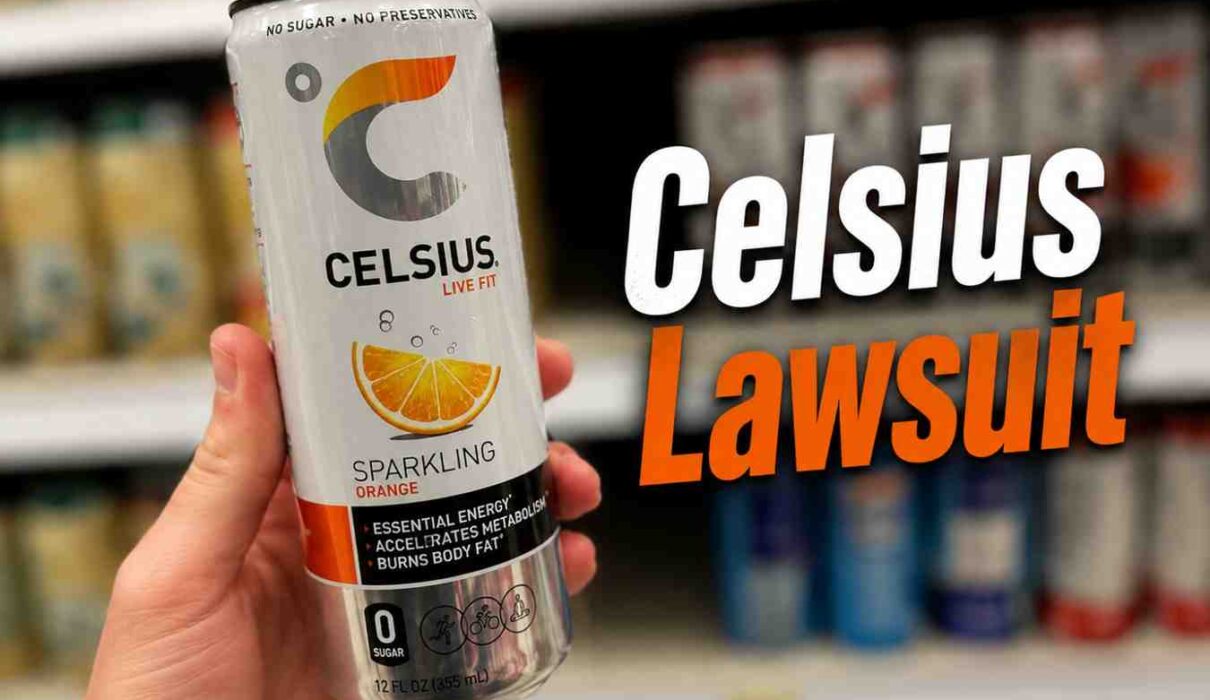
By Consumers searching for the Celsius lawsuit are usually looking for information about legal claims, health concerns, allegations of misleading marketing, or disputes related to Celsius energy drinks. Over the past several years, energy drink companies have faced growing legal scrutiny involving caffeine levels, health-related advertising claims, labeling transparency, and consumer safety concerns. As the energy drink market continues expanding in the United States, consumers and regulators are paying closer attention to how these beverages are marketed and whether companies accurately disclose product risks.
The Celsius lawsuit discussions reflect broader concerns involving energy drink safety, fitness-related marketing claims, ingredient transparency, and consumer protection laws. Many consumers purchase energy drinks believing they improve metabolism, energy, workout performance, or weight management. When concerns arise regarding health effects or advertising practices, lawsuits and regulatory investigations sometimes follow. This article explains the legal issues connected to energy drink litigation, consumer rights, ingredient concerns, and the evolving legal landscape surrounding health-focused beverage marketing in the United States.
Why Energy Drinks Face Legal Scrutiny
Energy drinks have become one of the fastest-growing beverage categories in the country. These products are heavily marketed to athletes, students, fitness enthusiasts, and busy professionals seeking increased energy and focus.
However, energy drinks often contain significant amounts of caffeine and other stimulants. Legal scrutiny may increase when companies make aggressive health or fitness claims without sufficient scientific support.
Common legal concerns involving energy drinks include:
- High caffeine content
- Health-related marketing claims
- Ingredient transparency
- Labeling disputes
- Consumer safety allegations
The Celsius lawsuit conversations reflect growing public interest in how wellness beverages are marketed and regulated.
What Is the Celsius Lawsuit About?
Online discussions regarding the Celsius lawsuit generally involve allegations connected to product marketing, health claims, ingredient disclosures, or consumer protection concerns. Some lawsuits involving beverage companies focus on whether products were marketed in potentially misleading ways or whether consumers were fully informed about ingredients and risks.
Potential legal issues may involve:
- Misleading advertising claims
- Health benefit allegations
- Labeling accuracy concerns
- Product safety complaints
- Consumer protection violations
It is important to understand that allegations discussed in lawsuits or online forums do not automatically establish wrongdoing or liability. Courts evaluate evidence, scientific studies, labeling practices, and regulatory standards before making legal conclusions.
Energy Drink Marketing and Fitness Claims
Many energy drink companies market their products using fitness-related language that emphasizes metabolic support, calorie burning, energy enhancement, or workout performance. These marketing strategies can increase legal risks if consumers believe claims were exaggerated or insufficiently supported.
Consumers may interpret certain advertising claims as promises regarding:
- Weight management support
- Increased metabolism
- Athletic performance
- Improved concentration
- Calorie-burning effects
The celsius lawsuit discussions often involve questions regarding how energy drinks communicate health and wellness benefits to consumers.
Understanding Caffeine Levels in Energy Drinks
Caffeine is one of the primary ingredients in many energy beverages. While caffeine is widely consumed in coffee, tea, and soft drinks, excessive intake may create health concerns for some individuals.
Possible caffeine-related side effects may include:
- Rapid heartbeat
- Anxiety
- Sleep disruption
- High blood pressure
- Jitters
Consumers with certain medical conditions or caffeine sensitivities may face higher risks when consuming highly caffeinated beverages.
Ingredient Transparency and Consumer Expectations
Consumers increasingly expect beverage companies to provide clear ingredient information and accurate product descriptions. Many modern consumers carefully review labels before purchasing wellness or fitness-related products.
Ingredient transparency concerns may involve:
- Stimulant blends
- Artificial ingredients
- Sweeteners
- Preservatives
- Herbal additives
The Celsius lawsuit conversations reflect broader consumer expectations regarding transparency and honest product labeling.
Consumer Protection Laws and Beverage Marketing
Federal and state consumer protection laws prohibit deceptive advertising and misleading business practices. Beverage companies are generally expected to ensure health-related claims are truthful and supported by evidence.
Legal claims involving beverage marketing may include allegations related to:
- False advertising
- Misrepresentation
- Incomplete disclosures
- Unfair marketing practices
The Celsius lawsuit discussions highlight how consumer protection laws increasingly affect wellness-focused brands.
FDA Oversight and Energy Drink Regulation
Energy drinks sold in the United States may fall under the oversight of the Food and Drug Administration. The agency monitors labeling requirements, ingredient disclosures, and certain safety standards for food and beverage products.
The FDA may review issues involving:
- Labeling compliance
- Ingredient safety
- Marketing claims
- Adverse event reports
Consumers often expect regulatory agencies to ensure beverage companies follow federal safety and labeling standards.
Health Concerns Linked to Energy Drinks
Health experts have debated the potential effects of highly caffeinated beverages for years. While many people consume energy drinks without issues, others may experience side effects depending on dosage, health conditions, or frequency of consumption.
Health concerns sometimes discussed include:
- Cardiovascular effects
- Sleep disturbances
- Anxiety symptoms
- Dehydration risks
The Celsius lawsuit discussions reflect broader public conversations regarding energy drink safety and responsible consumption.
Social Media and Energy Drink Popularity
Social media has played a major role in the growth of fitness-focused beverage brands. Influencers, athletes, and fitness creators frequently promote energy drinks through online platforms and workout-related content.
Social media marketing may increase legal attention when
- Health claims go viral
- Consumers report adverse reactions
- Influencers make unsupported statements
- Marketing targets younger audiences
Online discussions significantly influence public perception regarding wellness and beverage products.
Class Action Lawsuits and Consumer Claims
Class action lawsuits sometimes arise when multiple consumers allege similar issues involving the same product or marketing practices. These lawsuits may seek compensation, corrective advertising, or changes to labeling practices.
Courts evaluating class actions may consider:
- Similarity of consumer complaints
- Advertising language
- Product testing evidence
- Financial damages
The Celsius lawsuit conversations reflect how consumer class actions continue influencing product marketing standards across the beverage industry.
Fitness and Wellness Branding Challenges
Brands operating in the wellness industry often walk a fine line between promoting health benefits and avoiding potentially misleading claims. Consumers increasingly demand evidence-based advertising rather than vague wellness promises.
Legal risks may increase when brands use phrases suggesting:
- Medical benefits
- Guaranteed weight loss
- Dramatic fitness improvements
- Scientific superiority without proof
Companies must balance aggressive marketing strategies with regulatory compliance and consumer trust.
Product Labeling and Nutritional Disclosures
Product labels play an important role in consumer decision-making. Labels generally help consumers understand caffeine levels, calorie counts, ingredients, and serving sizes.
Labeling disputes may involve allegations regarding:
- Inaccurate nutritional information
- Misleading serving sizes
- Incomplete ingredient disclosures
- Confusing marketing terminology
The Celsius lawsuit discussions highlight the growing importance of clear and accurate beverage labeling practices.
Consumer Awareness and Ingredient Research
Consumers today are more informed than ever regarding health products, supplements, and beverages. Many buyers now research ingredients, caffeine content, and independent reviews before purchasing wellness products.
Modern consumers often review the following:
- Product ingredient lists
- Scientific studies
- Online customer reviews
- Third-party testing reports
This growing awareness is increasing pressure on brands to maintain transparency and evidence-based marketing practices.
Legal Trends Affecting the Wellness Beverage Industry
The wellness beverage industry continues facing increasing legal scrutiny involving advertising claims, ingredient disclosures, and product safety standards. Consumers are demanding greater accountability from companies marketing health-oriented products.
Emerging legal trends include:
- Increased false advertising lawsuits
- Greater focus on ingredient transparency
- Expanded consumer protection enforcement
- Closer review of influencer marketing
The Celsius lawsuit conversations are part of a broader legal trend involving health and wellness marketing accountability.
What Consumers Should Do Before Buying Energy Drinks
Consumers interested in energy beverages should carefully review labels and understand their own caffeine tolerance and health conditions before regular use.
Helpful safety practices include:
- Monitoring caffeine intake
- Reading ingredient labels carefully
- Consulting healthcare professionals if needed
- Avoiding excessive consumption
Consumers experiencing unusual side effects should discontinue use and seek medical advice if symptoms continue.
Resources for Consumers Researching Beverage Safety
Consumers researching energy drink safety and consumer rights can review trusted public health resources and regulatory agencies.
Helpful resources include:
- Food and Drug Administration
- Federal Trade Commission
- American Heart Association
- Consumer Reports
These organizations provide educational information regarding food safety, ingredient disclosures, consumer protection, and health research.
The Role of Scientific Evidence in Lawsuits
Courts reviewing product-related lawsuits often rely heavily on scientific evidence and expert testimony. Plaintiffs generally must demonstrate how a product allegedly caused harm or violated consumer protection laws.
Scientific evidence may involve:
- Clinical studies
- Product testing reports
- Toxicology evaluations
- Medical expert testimony
The Celsius lawsuit discussions show how science and legal standards frequently intersect in modern consumer litigation.
Final Thoughts
The energy drink market continues to grow rapidly as consumers seek products supporting energy, fitness, and productivity goals. Discussions surrounding the Celsius lawsuit reflect broader concerns involving beverage marketing practices, ingredient transparency, caffeine safety, and consumer protection rights.
As consumers become more informed and regulatory scrutiny increases, wellness beverage companies may face greater pressure to provide accurate advertising, transparent labeling, and evidence-supported marketing claims. Consumers should remain informed, review ingredient information carefully, and understand how highly caffeinated beverages may affect their individual health and wellness needs.
Key Takeaways
- The celsius lawsuit discussions involve energy drink marketing and consumer safety concerns
- Energy drink companies face increasing legal scrutiny
- Consumers increasingly expect transparent labeling and accurate advertising
- Caffeine levels may affect individuals differently
- Consumer protection laws regulate misleading health claims
- Social media strongly influences energy drink marketing
- Product labeling plays an important role in consumer awareness
- Scientific evidence is important in consumer lawsuits
- Wellness brands face pressure to support advertising claims
- Consumers should monitor caffeine intake carefully
FAQs
1. What is the Celsius lawsuit about?
The discussions generally involve allegations related to marketing claims, ingredient transparency, labeling practices, and consumer protection concerns involving energy drinks.
2. Are energy drinks regulated in the United States?
Yes. Energy drinks may be regulated by agencies such as the Food and Drug Administration.
3. Why do consumers question energy drink marketing claims?
Some consumers believe certain fitness or metabolism-related claims may be exaggerated or insufficiently supported.
4. Can caffeine affect people differently?
Yes. Individual caffeine tolerance varies depending on age, health conditions, medications, and sensitivity levels.
5. What are common side effects linked to high caffeine intake?
Possible side effects may include anxiety, rapid heartbeat, sleep issues, and jitteriness.
6. What is a class action lawsuit?
A class action allows multiple consumers with similar claims to pursue legal action together.
7. Why is ingredient transparency important?
Consumers want clear information regarding caffeine content, additives, sweeteners, and other ingredients.
8. Where can consumers research beverage safety information?
Consumers can review information from public health agencies, consumer organizations, and scientific research resources.
