
 By
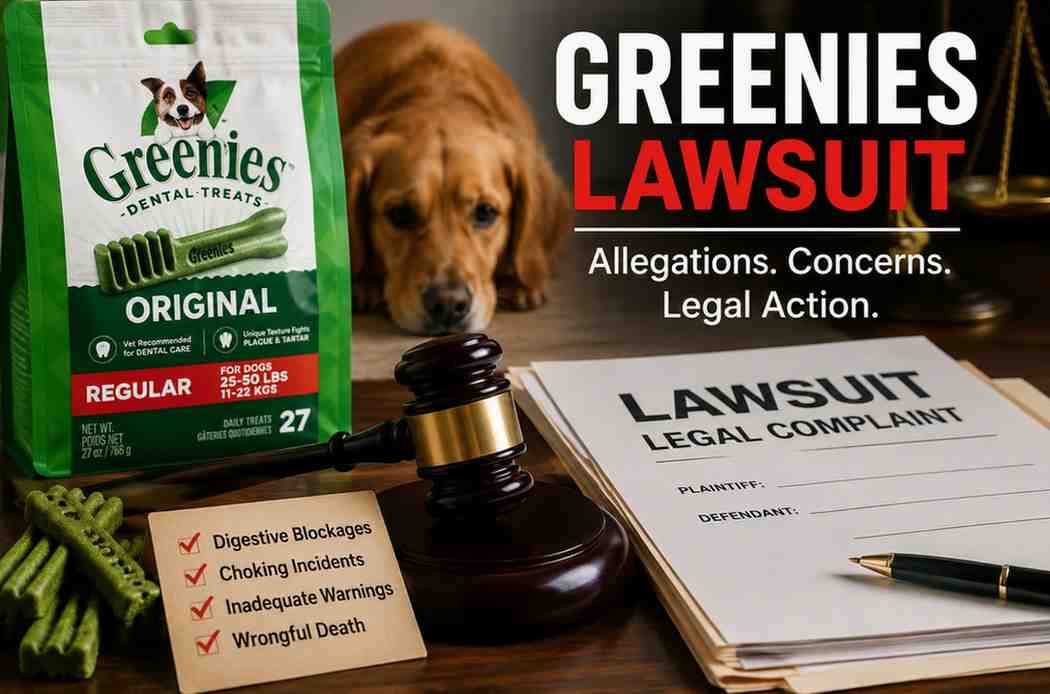
By The Greenies lawsuit refers to legal claims and consumer concerns involving Greenies dental chews for pets. Over the years, some pet owners have alleged that the products caused digestive blockages, choking incidents, or other health complications in dogs. While Greenies remains a popular pet dental treat, the lawsuits and complaints have raised questions about product safety, labeling, and potential risks.
If you are researching the Greenies lawsuit, it is important to understand that not every complaint resulted in legal liability, and product formulations have evolved. Nevertheless, the controversy has remained a topic of interest among pet owners, veterinarians, and consumer advocates.
Understanding Greenies Dental Chews
Greenies are dental treats designed to help improve oral health in dogs and cats. The products are marketed as treats that can reduce plaque and tartar buildup while freshening breath.
The treats gained widespread popularity because they offered pet owners a simple way to support dental hygiene. Many veterinarians recommended dental chews as part of a broader oral care routine, contributing to Greenies’ growth in the pet care industry.
However, as sales increased, reports emerged from pet owners who claimed that some animals experienced serious health issues after consuming the treats.
Why Did the Greenies Lawsuit Happen?
The Greenies lawsuit stemmed primarily from allegations that the treats could pose health risks to certain pets.
According to complaints filed by pet owners and discussed in public reports, some dogs allegedly experienced:
- Intestinal blockages
- Digestive complications
- Choking incidents
- Emergency veterinary visits
- Surgical interventions
- Death in severe cases
Plaintiffs argued that the product was not always easily digestible, especially when consumed quickly or swallowed in large pieces.
These concerns eventually led to legal scrutiny and increased public discussion regarding product safety and warnings.
Key Allegations Raised in the Greenies Lawsuit
Several allegations appeared throughout discussions related to the Greenies lawsuit.
1. Digestibility Concerns
One of the most common claims involved digestibility. Critics alleged that large chunks of the chew could remain intact within a dog’s digestive system.
Some pet owners reported that their dogs swallowed substantial pieces without fully chewing them, potentially increasing the risk of blockages.
2. Inadequate Safety Warnings
Another allegation focused on product labeling.
Some consumers argued that warnings regarding size selection, supervision, and chewing habits were insufficient. Plaintiffs claimed that pet owners may not have been fully informed about potential risks associated with improper use.
3. Marketing Claims
Certain complaints questioned whether marketing materials accurately represented the safety profile of the treats.
Consumers argued that promotional messages emphasizing dental benefits may not have adequately highlighted potential hazards for specific animals.
Timeline of the Greenies Controversy
Understanding the history behind the Greenies lawsuit helps explain why the issue continues to attract attention.
Early Product Success
Greenies became one of the most recognizable dental chew brands in the United States. The treats gained popularity due to their unique texture and claimed oral health benefits.
Growing Consumer Complaints
As product adoption increased, reports emerged involving dogs that allegedly experienced adverse reactions after consuming the chews.
These reports generated media attention and discussions within veterinary communities.
Legal Actions and Public Scrutiny
Consumer complaints eventually led to legal actions and investigations into product safety concerns. Questions surrounding digestibility became a central issue.
Product Changes and Updates
In response to concerns, product modifications and educational efforts reportedly focused on improving digestibility and providing clearer feeding guidelines.
These developments became important aspects of the broader Greenies lawsuit discussion.
What Pet Owners Reported
Many reports associated with the Greenies lawsuit involved pets that consumed treats too quickly.
Commonly reported symptoms included:
- Vomiting
- Loss of appetite
- Abdominal discomfort
- Constipation
- Lethargy
- Difficulty passing stool
In difficult situations, owners reported emergency surgeries to remove obstructions.
It is important to note that anecdotal reports do not automatically establish product defects. Individual circumstances, pet size, health conditions, and chewing habits can significantly influence outcomes.
Veterinary Perspectives on Dental Chews
Veterinarians generally agree that dental hygiene is important for pets. However, experts often emphasize selecting products appropriate for a dog’s size, age, and chewing behavior.
Many veterinarians recommend:
- Monitoring pets while chewing treats
- Following the manufacturer’s feeding instructions
- Selecting the correct chew size
- Avoiding treats that can be swallowed whole
- Consulting a veterinarian regarding digestive concerns
These recommendations became increasingly prominent during discussions surrounding the Greenies lawsuit.
Product Safety and Regulatory Considerations
Pet food and treat manufacturers must comply with various safety standards and labeling requirements.
Regulatory agencies and industry organizations evaluate factors such as:
- Ingredient safety
- Manufacturing practices
- Product labeling
- Consumer complaints
- Quality control procedures
The Greenies lawsuit brought attention to how pet products are evaluated and monitored within the marketplace.
Informative Resource: Warning Signs of Intestinal Blockage in Dogs
Pet owners should seek veterinary attention if a dog experiences:
- Persistent vomiting
- Severe lethargy
- Swollen abdomen
- Refusal to eat
- Difficulty defecating
- Signs of pain
Prompt medical care can be critical because intestinal obstructions may become life-threatening if left untreated.
How Greenies Responded to Safety Concerns
Public reports indicate that the company took steps to address concerns raised by consumers and veterinary professionals.
Actions reportedly included:
- Product reformulation efforts
- Enhanced digestibility testing
- Updated feeding recommendations
- Additional educational materials
- Improved packaging information
Supporters of the brand argue that these measures demonstrated a commitment to product improvement and consumer safety.
Did the Greenies Lawsuit Result in Product Recalls?
One common question involves whether the Greenies lawsuit led to widespread recalls.
The answer depends on the specific time period and product involved. While safety concerns generated significant discussion, not every allegation resulted in formal recalls or findings of product defects.
Consumers researching historical legal disputes should review official regulatory announcements and company communications for the most accurate information.
Factors That May Increase Risk
Several factors may increase the likelihood of complications from any chew treat.
Aggressive Eating Habits
Dogs that swallow treats quickly without chewing may face greater risks.
Incorrect Product Size
Choosing a chew that is too small can increase the likelihood of swallowing large pieces.
Existing Health Conditions
Dogs with digestive disorders or previous gastrointestinal issues may require additional caution.
Lack of Supervision
Monitoring pets during treat consumption can help owners identify problems early.
These factors were frequently discussed throughout the Greenies lawsuit debate.
Informative Resource: Questions to Ask Your Veterinarian
Before introducing any dental chew, consider asking:
- Is this product appropriate for my dog’s age?
- Does my dog have any digestive risk factors?
- What size chew should I purchase?
- How often should dental treats be given?
- Are there safer alternatives for aggressive chewers?
These questions can help pet owners make informed decisions.
Consumer Rights and Product Liability Cases
Product liability claims generally involve allegations that a product was:
- Defectively designed
- Improperly manufactured
- Inadequately labeled
- Marketed without sufficient warnings
The Greenies lawsuit included discussions surrounding several of these legal concepts.
However, product liability outcomes depend heavily on evidence, expert testimony, veterinary records, and specific facts presented in each case.
What Current Pet Owners Should Know
The Greenies lawsuit highlights the importance of evaluating pet products carefully.
When purchasing dental chews, pet owners should:
- Read product instructions thoroughly
- Follow size recommendations
- Supervise pets while chewing
- Monitor for unusual symptoms
- Seek veterinary care when concerns arise
Most importantly, no chew treat is entirely risk-free. Responsible use remains a critical component of pet safety.
Lessons Learned from the Greenies Controversy
The controversy surrounding Greenies demonstrates how consumer complaints can influence product development and industry practices.
The discussion encouraged greater awareness regarding:
- Pet treat safety
- Digestibility testing
- Product labeling
- Veterinary oversight
- Consumer education
As a result, many pet owners today pay closer attention to ingredient lists, safety instructions, and veterinary recommendations before introducing new products.
Conclusion
The Greenies lawsuit emerged from allegations that certain dental chews caused digestive blockages, choking incidents, and other health complications in some pets. While Greenies remains a widely recognized pet dental treat brand, the controversy highlighted important issues related to product safety, digestibility, and consumer warnings.
Pet owners researching the Greenies lawsuit should consider both the reported allegations and the broader context of responsible product use. Following manufacturer instructions, selecting the correct product size, and consulting a veterinarian can help reduce potential risks associated with dental chews and other pet treats.
Key Takeaways
- The Greenies lawsuit focused on allegations involving digestive blockages and choking risks.
- Consumer complaints raised concerns about digestibility and product warnings.
- Product safety discussions led to increased awareness among pet owners.
- Proper chew size selection plays an important role in reducing risks.
- Veterinary supervision and guidance can help improve pet safety.
- Monitoring dogs while they consume dental chews is recommended.
- Product liability claims depend on case-specific evidence and legal standards.
- The controversy encouraged stronger consumer education efforts.
- Pet owners should consult veterinarians before introducing new dental treats.
- Responsible use remains essential regardless of the brand or product type.
Frequently Asked Questions
What is the Greenies lawsuit about?
The Greenies lawsuit involves allegations that Greenies dental chews caused digestive blockages, choking incidents, and related health complications in certain pets.
Were Greenies recalled because of the lawsuit?
Not all allegations connected to the Greenies lawsuit resulted in recalls. Consumers should review official regulatory and manufacturer announcements for specific information.
Are Greenies safe for dogs?
Many dogs consume Greenies without issues. However, safety can depend on factors such as dog size, chewing habits, health conditions, and proper supervision.
What symptoms may indicate a blockage?
Possible signs include vomiting, loss of appetite, lethargy, abdominal pain, and difficulty passing stool. Veterinary care should be sought immediately if these symptoms occur.
How can pet owners reduce risks?
Pet owners can reduce risks by selecting the appropriate chew size, supervising chewing sessions, following instructions, and consulting a veterinarian when necessary.
