
 By
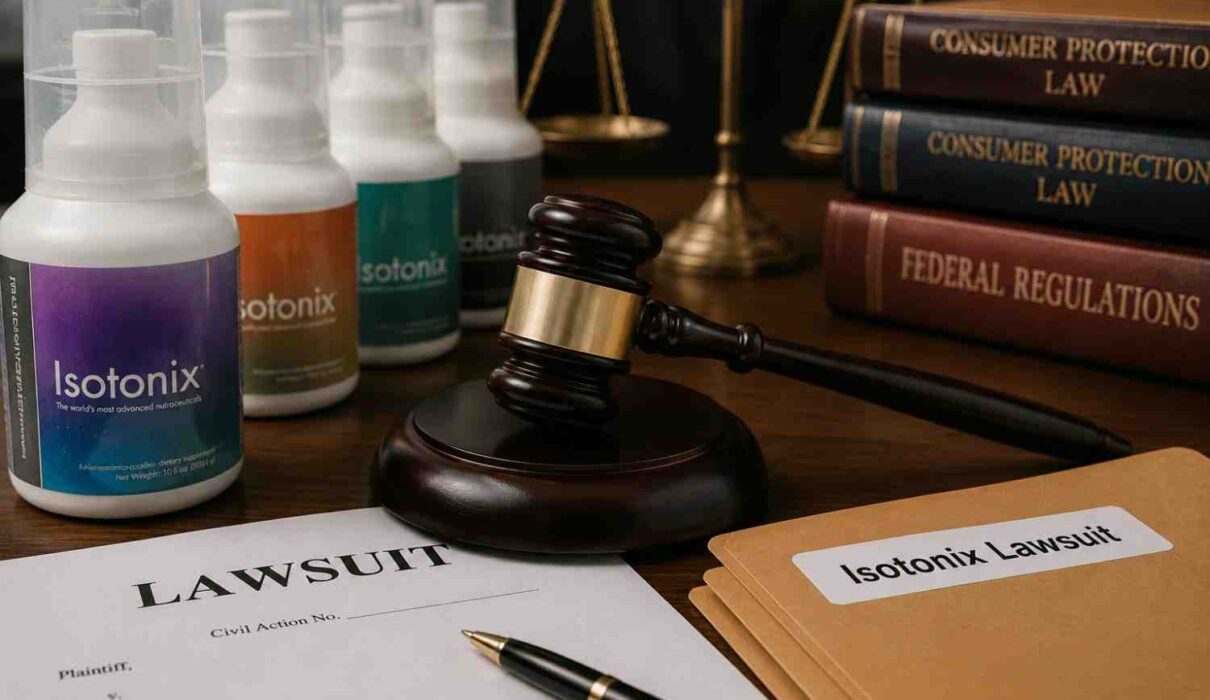
By The Isotonix lawsuit has generated interest among consumers, distributors, and industry observers due to allegations involving product marketing, business practices, and consumer protection issues. While specific claims vary depending on the case, the litigation generally highlights concerns about advertising representations, supplement-related claims, and regulatory compliance. Understanding the facts behind the Isotonix lawsuit can help consumers make informed decisions and separate legal allegations from verified outcomes.
What Is Isotonix?
Isotonix is a line of dietary supplements marketed through Market America. The products are known for their powdered delivery system, which is mixed with water before consumption.
The brand promotes a variety of supplements designed to support:
- General wellness
- Immune health
- Digestive health
- Heart health
- Nutritional supplementation
- Healthy aging
Because dietary supplements are heavily regulated regarding marketing claims, companies operating in this industry often face scrutiny from regulators and consumers.
Understanding the Isotonix Lawsuit
The Isotonix lawsuit refers to legal disputes and allegations involving the Isotonix brand and, in some instances, the business practices associated with its distribution model.
Claims raised in lawsuits and regulatory discussions may involve:
- Product marketing claims
- Advertising practices
- Consumer disclosures
- Earnings representations
- Business opportunity claims
- Regulatory compliance issues
It is important to remember that allegations made in a lawsuit do not automatically establish wrongdoing. Courts evaluate evidence before making legal determinations.
Why Consumers Are Paying Attention
The Isotonix lawsuit has attracted attention because dietary supplements are products that consumers use regularly and often purchase based on health-related claims.
When consumers buy supplements, they generally expect:
- Accurate product information
- Transparent labeling
- Truthful advertising
- Scientific support for claims
- Compliance with applicable regulations
Any legal dispute involving these issues naturally attracts public interest.
Informative Resource: FDA Dietary Supplement Oversight
Consumers can learn more about dietary supplement regulations through the U.S. Food and Drug Administration.
FDA Resource:
https://www.fda.gov
The FDA oversees various aspects of dietary supplement manufacturing, labeling, and marketing compliance.
Common Allegations Seen in Supplement Litigation
Many lawsuits involving supplement companies share similar legal themes.
Marketing Claims
Plaintiffs sometimes argue that product benefits were overstated.
Consumer Protection Violations
Some claims allege that advertising may have misled consumers.
Labeling Disputes
Questions may arise regarding ingredient disclosures and product descriptions.
Business Practice Allegations
Certain cases focus on distributor programs, compensation structures, or earnings claims.
The Isotonix lawsuit reflects broader issues that frequently appear throughout the supplement industry.
The Role of Federal Regulations
Dietary supplement companies must comply with various federal regulations.
These regulations often govern:
- Product labeling
- Advertising claims
- Manufacturing practices
- Ingredient disclosures
- Consumer safety communications
The Isotonix lawsuit highlights the importance of maintaining compliance with these requirements.
Companies that fail to meet regulatory expectations may face investigations, enforcement actions, or litigation.
FTC and Advertising Standards
The Federal Trade Commission plays an important role in regulating advertising.
Health-related marketing claims generally require adequate substantiation.
For example, companies should have reliable evidence supporting statements regarding:
- Health benefits
- Performance claims
- Disease-related statements
- Product effectiveness
The FTC regularly reviews marketing practices across multiple industries.
Informative Resource
FTC Consumer Protection Information:
https://www.ftc.gov
Consumers can access educational materials regarding deceptive advertising and consumer rights.
Consumer Concerns Raised in Discussions
Although experiences vary among consumers, discussions related to the Isotonix lawsuit often involve concerns such as:
- Product effectiveness
- Advertising expectations
- Pricing structures
- Subscription concerns
- Distributor communications
- Refund policies
Consumer experiences may differ significantly, which is why legal claims must be evaluated individually and based on evidence.
Understanding Multi-Level Marketing Questions
One aspect sometimes discussed alongside the Isotonix lawsuit involves the business model used to distribute products.
Multi-level marketing (MLM) companies typically compensate distributors for product sales and, in some cases, team-building activities.
Regulators generally focus on whether:
- Earnings claims are accurate
- Recruitment practices are transparent
- Consumers receive truthful information
Not all MLM businesses operate unlawfully. However, compliance with consumer protection laws remains essential.
Informative Resource: Consumer Financial Protection
Consumers interested in understanding financial decision-making and consumer protections can review resources from:
CFPB
https://www.consumerfinance.gov
Scientific Evidence and Supplement Claims
Scientific evidence is often central to supplement-related litigation.
Courts and regulators may evaluate:
- Clinical studies
- Scientific publications
- Expert testimony
- Product testing
- Consumer perception research
The outcome of any Isotonix lawsuit may depend heavily on whether product-related claims are supported by reliable evidence.
Why Product Labeling Matters
Product labels play a critical role in consumer decision-making.
Consumers frequently rely on labels when evaluating:
- Ingredients
- Dosages
- Health benefits
- Allergens
- Usage instructions
The Isotonix lawsuit underscores the importance of ensuring that labels accurately reflect the product and its intended use.
Potential Legal Outcomes
Several outcomes are possible in supplement-related litigation.
Settlement Agreements
The parties may negotiate a resolution before trial.
Dismissal
Courts may dismiss claims if legal requirements are not satisfied.
Trial Proceedings
A judge or jury may determine liability based on presented evidence.
Business Practice Changes
Companies may modify advertising, disclosures, or compliance procedures.
The outcome of any Isotonix lawsuit depends on the specific allegations and evidence involved.
Informative Resource: Office of Dietary Supplements
Consumers seeking evidence-based supplement information can visit:
Office of Dietary Supplements
https://ods.od.nih.gov
The ODS provides research-based information regarding vitamins, minerals, and dietary supplements.
What Current Consumers Should Know
Consumers currently using Isotonix products should focus on verified information.
Recommended steps include:
- Reviewing product labels carefully.
- Following usage instructions.
- Consulting healthcare professionals.
- Monitoring official company announcements.
- Staying informed through reliable regulatory sources.
The existence of an Isotonix lawsuit does not automatically mean a product is unsafe or ineffective.
Each legal matter involves specific allegations that must be evaluated through the legal process.
Lessons for Consumers
The Isotonix lawsuit offers several important lessons.
Consumers should:
- Research products before purchasing.
- Verify health-related claims.
- Review scientific evidence.
- Understand refund policies.
- Compare products carefully.
- Consult qualified healthcare providers when necessary.
These practices help consumers make informed decisions regardless of the supplement brand involved.
Broader Impact on the Supplement Industry
The Isotonix lawsuit reflects larger trends affecting the dietary supplement market.
Consumers increasingly expect:
- Greater transparency
- Strong scientific support
- Accurate advertising
- Clear labeling
- Honest business practices
As consumer expectations evolve, companies throughout the industry continue adapting their compliance and communication strategies.
Conclusion
The Isotonix lawsuit highlights important issues involving supplement marketing, consumer expectations, regulatory compliance, and business practices. While allegations must be evaluated through the legal system, the litigation serves as a reminder that transparency and accurate information are critical in the health and wellness industry.
Consumers should rely on trusted sources, review product information carefully, and stay informed about developments related to the Isotonix lawsuit. Understanding both the legal issues and the broader regulatory landscape can help individuals make better-informed purchasing decisions.
Key Takeaways
- The Isotonix lawsuit involves allegations related to marketing practices and consumer protection issues.
- Dietary supplement litigation often focuses on advertising and labeling claims.
- Regulatory agencies such as the FDA and FTC oversee important aspects of supplement marketing.
- Scientific evidence frequently plays a major role in legal disputes.
- Consumers should verify health claims through reliable sources.
- Product labels are important tools for informed decision-making.
- Lawsuits do not automatically establish wrongdoing.
- Transparency remains a key expectation in the supplement industry.
- Regulatory compliance is essential for supplement manufacturers.
- Staying informed helps consumers make better purchasing decisions.
Frequently Asked Questions
What is the Isotonix lawsuit about?
The lawsuit generally involves allegations related to product marketing, business practices, consumer protection laws, and regulatory compliance.
Has Isotonix been found liable?
Legal outcomes depend on the specific case, evidence presented, and court rulings. Allegations alone do not establish liability.
Are Isotonix supplements regulated?
Dietary supplements are regulated under federal laws, including FDA requirements regarding labeling and manufacturing.
Does the lawsuit affect current users?
Consumers should monitor official updates and review product information, but litigation does not automatically affect product availability or safety.
Where can consumers learn more about supplement safety?
Consumers can review resources from the FDA, NIH, and the Office of Dietary Supplements.
