 By
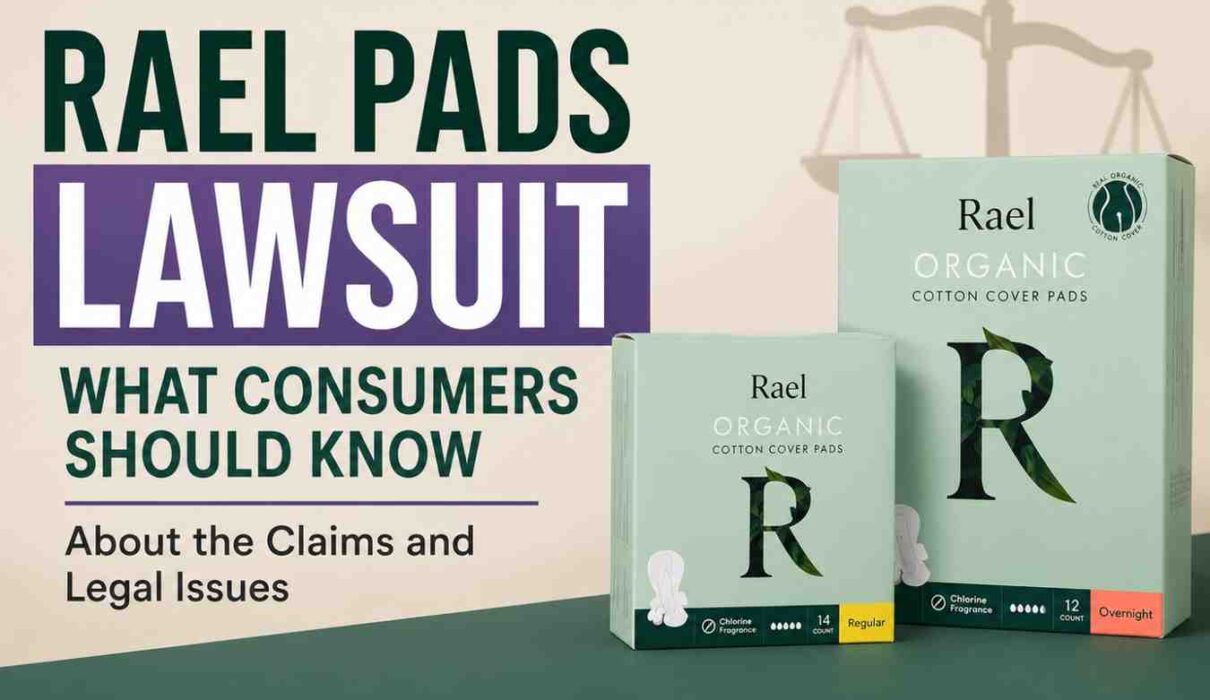
By The Rael Pads lawsuit refers to legal claims and consumer concerns involving Rael menstrual pads, including allegations about product ingredients, marketing practices, and product safety. Like several lawsuits filed against feminine hygiene product manufacturers in recent years, the claims generally focus on whether consumers were adequately informed about substances that may be present in products marketed as safe, natural, or clean.
As consumer awareness of product ingredients continues to grow, lawsuits involving menstrual care products have received increased attention across the United States. The Rael Pads lawsuit has become part of a broader conversation regarding transparency, labeling practices, chemical testing, and consumer protection.
This article explains the allegations, legal issues, potential implications for consumers, and the broader regulatory landscape surrounding feminine hygiene products.
Understanding the Rael Brand
Rael is a menstrual care company known for offering feminine hygiene products, including:
- Menstrual pads
- Panty liners
- Tampons
- Menstrual care accessories
- Personal care products
The company has marketed many of its products using terms associated with natural ingredients, comfort, and clean manufacturing practices. These marketing messages have helped the brand gain popularity among consumers seeking alternatives to conventional menstrual products.
However, as scrutiny of personal care products has increased, some consumers and advocacy groups have raised questions about product composition and ingredient disclosures.
What Is the Rael Pads Lawsuit About?
The Rael Pads lawsuit generally centers on allegations that certain menstrual products may contain chemicals or substances that consumers did not expect based on product marketing and labeling.
Many similar lawsuits involving feminine hygiene products have focused on:
- PFAS (per- and polyfluoroalkyl substances)
- Chemical disclosures
- Product labeling
- Consumer protection laws
- False advertising allegations
- Marketing claims regarding safety or natural ingredients
The specific allegations may vary depending on the lawsuit, jurisdiction, and plaintiffs involved.
Importantly, allegations contained in legal filings are not proof of wrongdoing. Courts evaluate evidence before determining liability or damages.
Why Are PFAS Chemicals Receiving Attention?
One of the most frequently discussed topics connected to menstrual product litigation is PFAS.
PFAS are a group of synthetic chemicals used in various consumer products for their water- and stain-resistant properties.
These substances are often referred to as “forever chemicals” because they can remain in the environment for long periods and may take significant time to break down.
In recent years, consumer advocacy groups have increased testing of personal care products, leading to concerns about whether PFAS may be present in certain items used close to the body.
The Rael Pads lawsuit has generated interest partly because PFAS-related allegations have become a major issue across multiple industries.
Informative Resource: What Are PFAS?
PFAS stands for Per- and Polyfluoroalkyl Substances.
These chemicals have been used in:
- Non-stick cookware
- Water-resistant fabrics
- Food packaging
- Cosmetics
- Cleaning products
- Personal care items
Researchers continue to study their potential environmental and health effects.
Common Allegations Raised in Product Labeling Lawsuits
The Rael Pads lawsuit reflects legal theories commonly seen in consumer protection litigation.
1. Misleading Marketing Claims
Plaintiffs sometimes argue that product descriptions may create expectations about ingredient composition.
If consumers believe a product is entirely free from certain substances, they may claim they paid a premium based on those expectations.
2. Failure to Disclose Ingredients
Another common allegation involves whether manufacturers adequately disclosed the presence of particular chemicals.
Consumers may argue that they would have made different purchasing decisions had additional information been available.
3. Unfair Business Practices
Some lawsuits allege violations of state consumer protection statutes that prohibit deceptive or misleading advertising.
Courts evaluate whether reasonable consumers could have been influenced by the challenged marketing statements.
How Product Liability and Consumer Protection Laws Apply
Several legal frameworks may apply in cases like the Rael Pads lawsuit.
These include:
- Consumer protection laws
- False advertising statutes
- Product liability principles
- Warranty claims
- Unfair competition laws
The exact legal claims depend on the allegations and evidence presented by the plaintiffs.
In many consumer class actions, plaintiffs seek financial compensation, corrective labeling, or changes to marketing practices.
Class Action Lawsuits Explained
Many product-labeling disputes proceed as class actions.
A class action allows multiple consumers with similar claims to pursue litigation together.
Potential benefits include:
- Consistent outcomes
- Lower litigation costs
- Efficient court proceedings
- Broader consumer participation
However, courts must determine whether class certification requirements are satisfied before a case can proceed as a class action.
The Rael Pads lawsuit has attracted attention because many consumers want to know whether such claims could affect product labeling practices industry-wide.
Informative Resource: How Class Actions Work
Typical class action stages include:
- Filing of the complaint.
- Defendant’s response.
- Discovery process.
- Class certification review.
- Settlement discussions.
- Trial or final resolution.
Not every lawsuit reaches trial, and many disputes settle before final judgment.
What Evidence Is Typically Examined?
Consumer product lawsuits often rely heavily on scientific and documentary evidence.
Courts may review:
- Laboratory testing results
- Product ingredient analyses
- Internal company communications
- Marketing materials
- Consumer surveys
- Expert testimony
- Regulatory guidance
The outcome of the Rael Pads lawsuit may depend largely on the quality and reliability of evidence presented by both sides.
Regulatory Oversight of Menstrual Products
Menstrual products are subject to regulatory oversight in the United States.
Manufacturers must comply with applicable laws regarding:
- Product safety
- Manufacturing standards
- Labeling requirements
- Marketing practices
Regulatory agencies continue to evaluate emerging research related to chemical exposure and consumer safety.
Increased public attention has encouraged broader discussions regarding ingredient transparency across the feminine hygiene industry.
Why Consumers Are Paying More Attention
Modern consumers are increasingly interested in understanding what products contain.
Several factors contribute to this trend:
- Greater access to product information
- Independent laboratory testing
- Consumer advocacy efforts
- Social media discussions
- Increased awareness of chemical exposure
As a result, lawsuits like the Rael Pads lawsuit often receive significant media attention.
Consumers frequently seek greater transparency regarding ingredients used in products they purchase regularly.
Potential Outcomes of the Litigation
Like many consumer lawsuits, several outcomes are possible.
Settlement
The parties may negotiate a settlement before trial.
Dismissal
A court may dismiss some or all claims if legal requirements are not met.
Trial
If the case proceeds, a judge or jury may determine liability and damages.
Labeling Changes
Some settlements involve revised marketing practices or additional disclosures.
The outcome of the Rael Pads lawsuit depends on the facts, evidence, and legal arguments presented throughout the litigation process.
What Consumers Should Know
Consumers researching the Rael Pads lawsuit should keep several points in mind.
First, allegations are not findings of fact.
Second, ongoing litigation may evolve as additional evidence becomes available.
Third, consumers should review information from multiple credible sources rather than relying solely on social media discussions.
Individuals concerned about product ingredients may wish to:
- Review product labels carefully.
- Monitor regulatory updates.
- Follow official company statements.
- Consult healthcare professionals regarding personal concerns.
Informative Resource: Questions Consumers Can Ask
When evaluating menstrual products, consumers may consider asking:
- Does the manufacturer provide ingredient information?
- Are third-party testing results available?
- What safety standards apply to the product?
- Has the company issued public statements regarding testing?
- Are there any ongoing recalls or regulatory actions?
These questions can help consumers make informed purchasing decisions.
Broader Industry Impact
The Rael Pads lawsuit is part of a larger trend involving increased scrutiny of consumer products.
Companies across various industries are facing greater expectations regarding:
- Ingredient transparency
- Environmental responsibility
- Product testing
- Marketing accuracy
- Consumer communication
Regardless of the lawsuit’s outcome, such cases often influence future business practices and consumer expectations.
Manufacturers may respond by increasing testing, expanding disclosures, or revising marketing language to address consumer concerns.
Conclusion
The Rael Pads lawsuit highlights growing consumer interest in product transparency, ingredient disclosures, and marketing practices within the feminine hygiene industry. While the allegations have generated attention, it is important to remember that legal claims must be evaluated through the court process before conclusions can be reached.
As litigation develops, consumers should stay informed through credible sources and official updates. The case also reflects broader trends affecting product labeling and consumer protection laws across the United States. Whether the dispute results in settlements, dismissals, or other outcomes, it underscores the increasing importance of transparency in today’s marketplace.
Key Takeaways
- The case reflects broader industry trends emphasizing transparency and consumer trust.
- The Rael Pads lawsuit focuses on allegations involving product ingredients, marketing practices, and consumer disclosures.
- PFAS-related concerns have become a major topic in consumer product litigation.
- Lawsuits involving feminine hygiene products often involve consumer protection and false advertising claims.
- Allegations are not proof of liability or wrongdoing.
- Scientific testing and expert evidence often play important roles in these cases.
- Regulatory oversight continues to evolve regarding product transparency.
- Consumers increasingly seek detailed ingredient information before purchasing products.
- Class actions are common in consumer product disputes.
- Litigation outcomes may include settlements, dismissals, or labeling changes.
Frequently Asked Questions
What is the Rael Pads lawsuit about?
The lawsuit generally involves allegations concerning product ingredients, labeling practices, marketing claims, and consumer protection issues related to Rael menstrual pads.
Are PFAS chemicals the focus of the lawsuit?
Some reported allegations associated with menstrual product litigation involve PFAS testing and ingredient disclosures, although specific claims depend on the lawsuit involved.
Has Rael admitted wrongdoing?
Allegations in a lawsuit do not establish liability. Any determination of wrongdoing would require legal findings, settlements, or court rulings.
Is the lawsuit a class action?
Some consumer product cases are filed as class actions, but the procedural status depends on court rulings and the specific lawsuit.
What should consumers do if they have concerns?
Consumers can review product information, monitor official updates, consult healthcare professionals, and stay informed through reliable sources.